Apr 09, 2025
Trump Pushes Ahead With 104% Tariffs on China Amid Alliance Talks, Heightening Trade Tensions
Ryunsu Sung
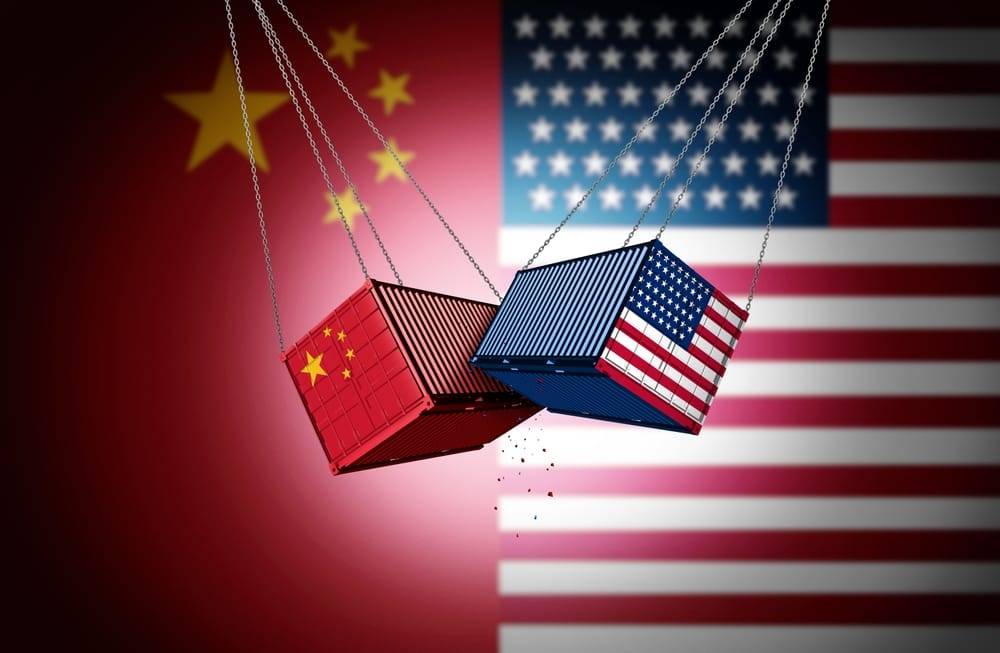
[Seoul = AWARE LAB] Global trade tensions are escalating after White House and administration officials said President Donald Trump plans to move forward as scheduled with tariffs effectively reaching 104% on a wide range of Chinese imports, even as he negotiates tariff relief with allied nations.
According to Bloomberg and other outlets, President Trump has said he intends to use tariffs as a bargaining chip to secure "highly tailored deals," but the steep tariffs on roughly 60 trading partners are still set to take effect after midnight New York time. In particular, he is sticking to plans to impose an extraordinarily high 104% tariff on China despite the risk of retaliation, turning fears of a trade war into a looming reality.
President Trump has argued that "tariffs help the U.S. fiscally and protect key industries," and asserted that China "desperately wants a deal but doesn’t know how to start," expressing confidence in America’s negotiating leverage. White House spokesperson Karoline Leavitt likewise reaffirmed the hard line, saying, "President Trump has a spine of steel and will not back down."
China’s Foreign Ministry spokesperson criticized the move, saying "there are no winners in trade wars or tariff wars, and protectionism leads nowhere," and warned that "bullying, threats, and intimidation are not the right way to deal with China," signaling that Beijing is prepared to push ahead with retaliatory measures.
Even as the United States and China square off in an increasingly hardline confrontation, other major trading partners such as South Korea, Japan, and Italy are entering talks aimed at easing tariffs. After a call with Prime Minister Han Duck-soo, President Trump said the outlook for negotiations with South Korea "looks good," while Treasury Secretary Scott Bessent said Japan, which has refrained from immediate retaliation, would "have priority" at the negotiating table. USTR Representative Jamieson Greer also confirmed that "we will begin immediate negotiations with our partners as soon as the tariffs take effect."
Markets, however, reacted nervously. The New York stock market initially surged more than 3% at the open on hopes of deals with allied countries, but surrendered all of its gains and closed lower after the White House reaffirmed its plan for steep tariffs on China. This underscores how uncertainty surrounding tariff policy is sharply undermining investor sentiment.
Moreover, key details of the negotiations remain unclear, including what concessions each country will have to make to secure tariff relief and whether they can avoid even the baseline 10% tariff that applies to all nations. Divisions within the administration have also surfaced, with adviser Elon Musk publicly calling Trump trade adviser Peter Navarro an "idiot," highlighting disagreements over the direction of policy.
In the end, the Trump administration’s tariff policy is taking on a dual character—keeping the door open to negotiations with allies while embracing full-blown confrontation with China. Whether this ultimately leads to an all-out trade clash or an unexpected compromise remains highly uncertain.
Newsletter
Be the first to get news about original content, newsletters, and special events.
Continue reading

Note By Ryunsu
The Intelligence Layer of Financial Infrastructure
Ryunsu Sung

Aware Original
Why Bitcoin Keeps Falling: The Downward Spiral of the Gamma Trap
Ryunsu Sung
Aware Original
The Overwhelming Autonomous Driving Leader Proven by Numbers: Waymo’s Full-Scale Takeoff
Ryunsu Sung

Aware Original
The Precarious State of ‘American Exceptionalism’ and a Shaken Dollar Hegemony
Ryunsu Sung