Jul 19, 2024
Why the Fed Needs to Cut Rates – Consumer Credit Debt
Ryunsu Sung
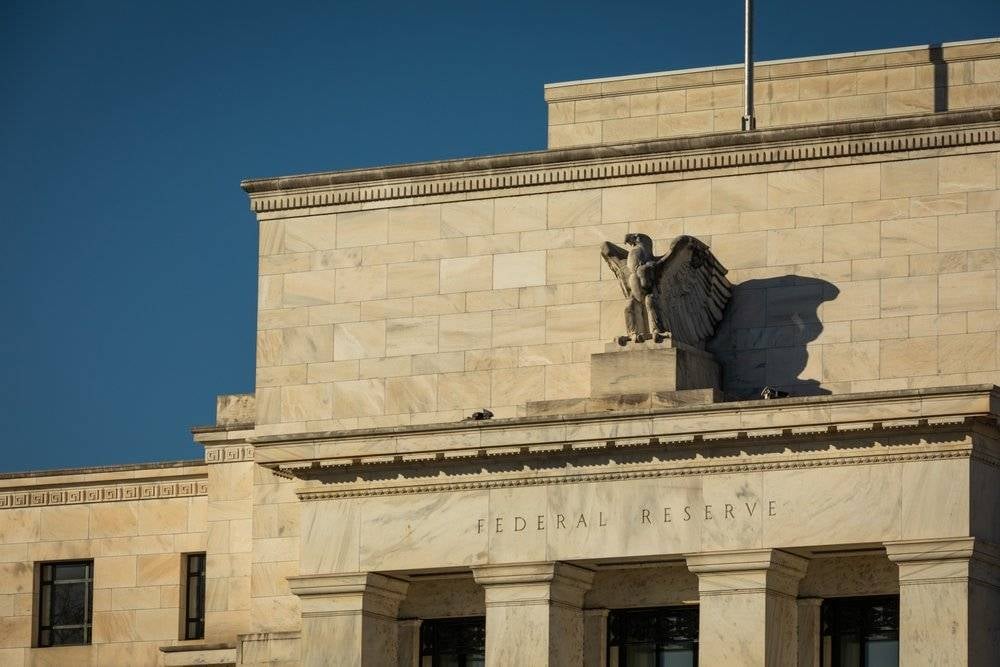
In May this year, Federal Reserve Chair Jerome Powell said in an interview that he was “less confident than earlier this year that inflation is moving sustainably down”, stoking market fears that there may be no rate cuts or at most one cut this year. In response, the 10-year Treasury yield has surged into the mid‑4% range since April (see chart below).
However, in a post I published on April 10 this year titled “Inflation, Why You Don’t Need to Worry”, I argued that
Recently, concerns about inflation have been reignited among investors. Bob Prince, CIO of the well‑known hedge fund Bridgewater founded by Ray Dalio (who, like AWARE, started out writing a financial newsletter), said in a recent interview with the Financial Times, “From the beginning of the year until now, neither the Fed nor market rates have evolved in the way the Fed has described. I think it’s clear that the Fed is now off course. The question is how far off course they are,” emphasizing that the probability of a Fed rate cut this year is slim.
My personal view is different. Inflation has clearly entered a downward trend, and I expect that trend to continue.
— namely, that U.S. inflation had firmly turned lower. The main reasoning was that the surge in multifamily housing supply and the lagged effect of new lease rents would start to be reflected in shelter costs around the second half of the year. And indeed, the June CPI (Consumer Price Index) fell 0.1% month‑over‑month, and shelter, which had been posting strong gains, rose only 0.2%.
The policy rate is a function of inflation and unemployment, and the Fed ultimately wants the outcome to be “financial stability.” That means it does not cut rates just because inflation is coming down. Recently, however, the unemployment rate has been on an upward trajectory, and there are warning indicators suggesting that U.S. consumer spending is likely to weaken before long. I want to introduce those here.
The chart above shows the share of loans that have become 30‑plus days delinquent, and you can see that delinquency rates are rising across all loan products except student loans. In particular, the transition rate into delinquency for credit‑card and other unsecured consumer loans is climbing steeply.
In absolute terms, transition rates into delinquency are still lower than they were around the 2008 financial crisis, but the slope of the line for unsecured consumer credit is actually steeper today. The reason the transition rate into delinquency for student loans remains extremely low is that through the fourth quarter of 2024, lenders are not reporting delinquencies on federal student loans to credit bureaus.
At this point, it’s worth a thought experiment: “For Americans with multiple debts, which type of loan are they most likely to stop paying first?” Under normal conditions, they would most likely pay down the highest‑interest debt first. But until the fourth quarter of 2024, failing to make scheduled interest or principal payments on federal student loans has no impact on your credit score. So most people will have pushed student‑loan repayment to the very back of the line. If that assumption is correct, the true transition rate into delinquency for student loans is far above its 20‑year average.
This chart shows the dollar share of seriously delinquent loans (those 90 days or more past due, where the probability of recovery is very low) by loan type. For credit‑card debt, the share has been steadily rising toward levels seen during the 2008 financial crisis, and auto‑loan delinquencies have already reached those levels.
What moves markets most is not the absolute level of delinquencies, but the speed of change—in other words, not the absolute value of the function, but its derivative. And when you look at that derivative, the pace we’re seeing now is similar to what we saw during the 2008 financial crisis.
The hidden time bomb in this chart is student loans. Once the forbearance on student‑loan repayments expires in the fourth quarter, it is highly likely to push up delinquency rates across all other loan types, and the true effective delinquency rate is probably already higher than what the current data show. As mentioned earlier, most Americans carry multiple types of debt.
Borrowers who have maxed out their credit cards are generally much more likely to fall into delinquency (if they had cash on hand, they probably wouldn’t be using their cards up to the limit). The share of balances at or above credit‑card limits has been rising steadily, and this share in turn tends to show up later in the trajectory of credit‑card transition‑to‑delinquency rates and overall delinquency rates.
In conclusion
My view is that the U.S. economy is more exposed to credit risk than economists and markets are currently pricing in.
Newsletter
Be the first to get news about original content, newsletters, and special events.
Continue reading

Aware Original
Why Bitcoin Keeps Falling: The Downward Spiral of the Gamma Trap
Ryunsu Sung

Note By Ryunsu
Industrial policy must be grounded in facts and expertise, not armchair opinions
Ryunsu Sung

Aware Original
The Overwhelming Autonomous Driving Leader Proven by Numbers: Waymo’s Full-Scale Takeoff
Ryunsu Sung

Aware Original
The Shadow of Private Credit Over U.S. Insurers
Ryunsu Sung